1What we heard
Your goal: measurable patient outcomes you can show donors, not only the value of the medication.
Dr. Sam runs a free community pharmacy: about 2,700 scripts a month, roughly 500 to 600 patients, medicine shipped at no cost. It is at capacity and needs funding.
- Outcomes: A1C, blood pressure, ER visits, no lapse in diabetes medicine.
- HIPAA, and trust with neighbors.
- Social workers must not handle health data.
- Data is self-reported at first, and Dr. Sam's buy-in comes first.
You are also running a small pilot with the American Diabetes Association (a Bank of America grant) that is struggling for referrals. This pilot can draw from the same pharmacy patients.
2What we propose
A free pilot with 50 to 100 pharmacy patients for 90 days, run on eLife check-ins and the eLife app.
- Baseline, then monthly: A1C and blood pressure.
- ER and urgent care visits.
- Missed refills.
- A 3 question patient experience pulse, plus short story prompts in their own words.
- Patients consent in the app.
- Nothing goes into the social workers' case system.
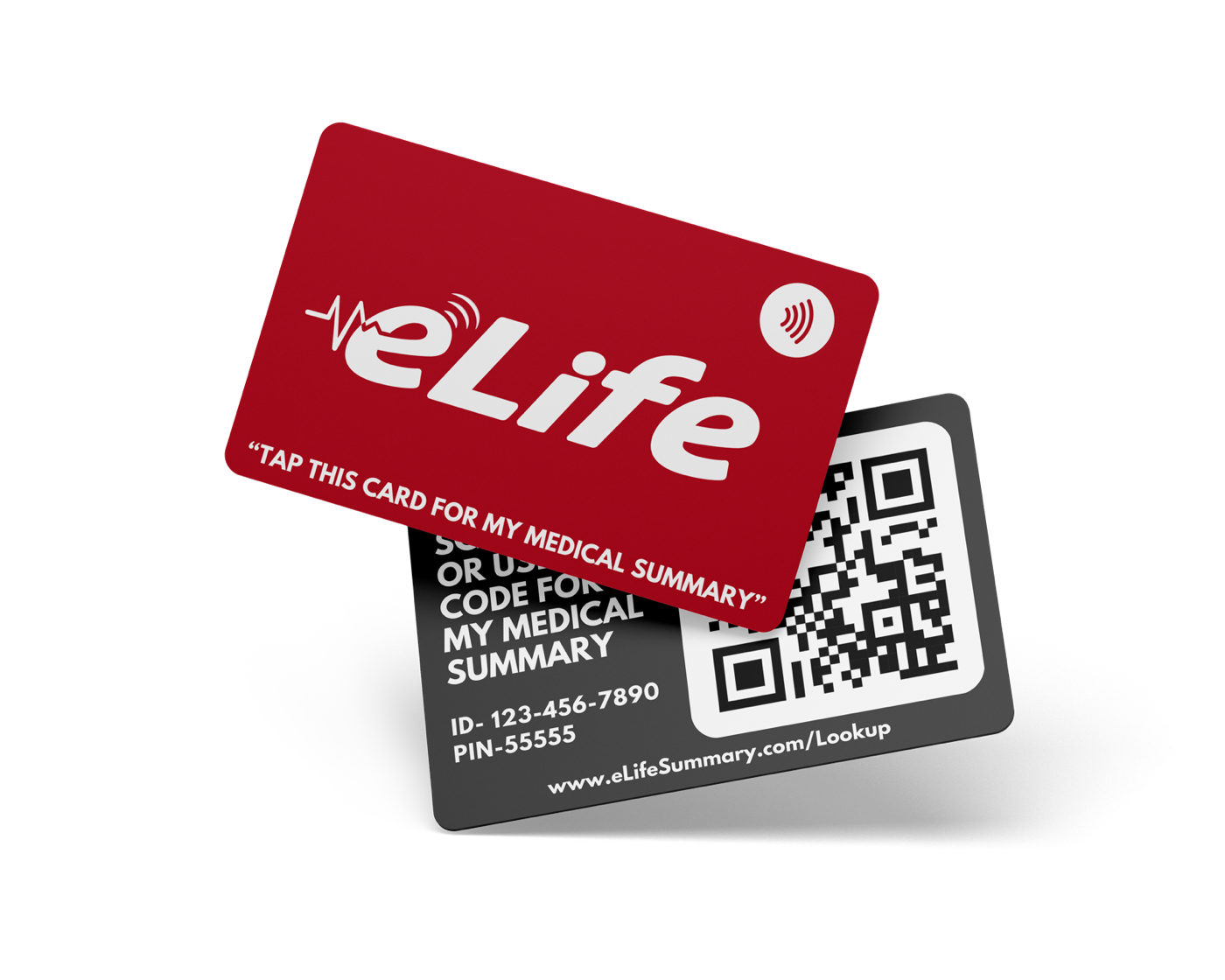
- The wristband or card is optional, for patients who want emergency access to their summary.
3What Dr. Sam would see
A simple outcomes dashboard, and a one page, donor ready outcomes report showing before and after for the same patients.
Outcomes dashboard
Every number here is a placeholder to show the layout.
Donor report: before and after
Same patients, same measure, two points in time. Bar lengths are made up for illustration. The real report would name the measure and the number of patients.
4What we can do later
Phase 2, only with patient consent and compliance sign off:
- Connect lab and health record data (for example MyChart exports or FHIR) for verified A1C.
- When a phone is at an emergency room or urgent care, ask "Did you visit the ER today?" so the patient confirms the visit.
- Wearable data, only for patients who already own one.
5Consent and privacy, in plain terms
- The patient owns the record and decides what is shared. Nothing is shared without their yes.
- Pharmacy and social work staff do not receive individual health data. Donors see only combined results.
- Charles described the Emory sickle cell pilot, which went through IRB review. We will bring the same care here.
- We will walk your compliance contact through exactly how data is collected, stored and shared.
6Timeline and owners
Kickoff with Dr. Sam and compliance.
Owners: Lisa, Dr. Sam, eLifeConsent flow and enrollment script.
Owners: eLife, reviewed by Dr. SamPilot runs: baseline, then monthly check-ins.
Owners: eLife team runs check-ins, pharmacy invites patientsOutcomes report for donors.
Owners: eLife team drafts, Dr. Sam signs off7What we need from you
- 30 minutes with Dr. Sam.
- Three outcome measures you would stand behind with donors.
- A list of 50 to 100 willing patients.
- One compliance contact.
8 Honest limits
- Results are self-reported at first.
- A small sample can show a pattern but cannot prove the pharmacy caused it.
- We will not know about ER visits unless the patient confirms them or a verified data link exists.